
Thinking about choosing the best pet birds? You’re not alone here. We’re here to provide you with honest feedback, with everything you need to know before buying the best pet birds. Consider our insightful experience and carefully consider the commitment involved.
Your birds require significant time and attention as you’re investing. Your birds can be messy, noisy, and have a long lifespan. So be careful about choosing a species that can match your lifestyle and ability to take care.
The best Pet birds offer companionship, intelligence, and vibrant personalities. But choosing the right bird isn’t just about picking the prettiest one at the pet store. It’s about finding the perfect match for your lifestyle, home environment, and expectations.
In this comprehensive guide, we’ve explored how to choose the best bird for a pet by focusing on quality over quantity, sharing real customer insights, and guiding you toward informed decisions.
Why Choose a Bird as a Pet?
Birds are more than just beautiful creatures. They are social, loving, and incredibly smart. Pet owners often form strong bonds with their feathered friends, enjoying interactive play, vocal communication, and even emotional support. However, unlike cats or dogs, birds require specific care and understanding.
Before jumping in, it’s important to assess your expectations and limitations. Do you need a low-maintenance pet or a lifelong companion? Do you have time for daily interaction, or are you away from home for long hours? These questions matter.
Understanding Bird Species: Quality over Quantity
Instead of focusing on the sheer number of bird species available, focus on quality traits like temperament, noise level, care needs, and lifespan. Here’s a breakdown of popular pet birds and what they offer for you:
Budgies (Parakeets)
- Pros: Budgies are small, affordable, and ideal for beginners. They are social and can learn words and tricks with regular interaction.
- Cons: Though small, they need mental stimulation. Left alone, they may become bored or develop behavioral issues.
Learn more about how to care for budgies
Cockatiels
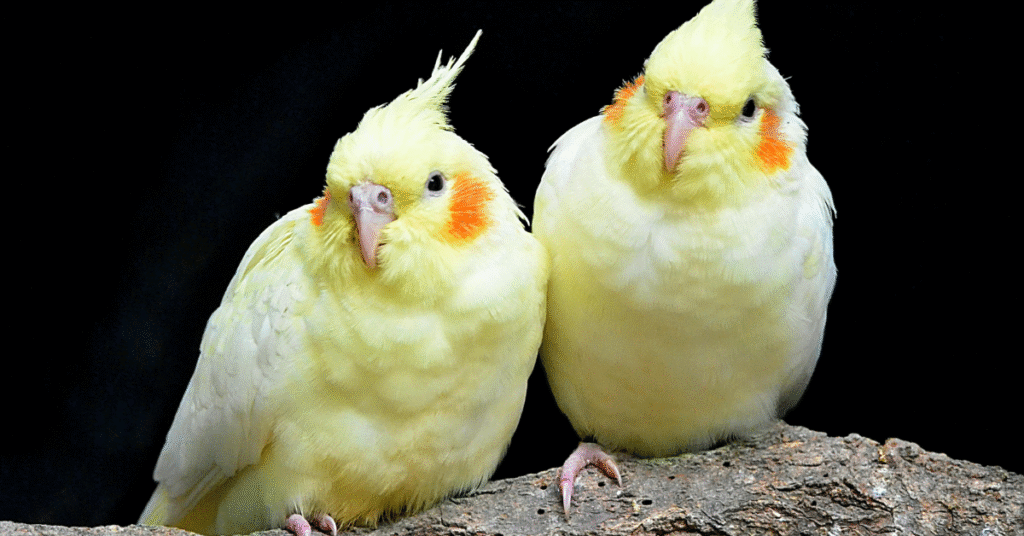
- Pros: Cockatiels are gentle, affectionate, and less noisy than many parrots. They’re great for families and adapt well to home environments.
- Cons: They produce fine dust, which may not be ideal for people with allergies.
Lovebirds
- Pros: Lovebirds are affectionate. They form deep bonds with their owners. These colorful birds are playful and great in pairs.
- Cons: They can be territorial and require socialization from a young age to prevent aggression.
African Greys
- Pros: Considered the most intelligent pet bird, African Greys have exceptional talking abilities and cognitive skills.
- Cons: They demand significant attention and mental stimulation. Not ideal for casual or first-time owners.
Check out an African Grey care guide
Factors to Consider When Choosing a Bird
Choosing the right bird depends on your home, time, and personality. Have a deep look at the key quality-factors to consider:
1. Noise Level
Birds like macaws and conures make very loud noise. If you live in an apartment or have close neighbors, opt for quieter birds like canaries or cockatiels.
2. Lifespan
Some birds live for decades. Parrots usually live up to 60 years! Are you prepared for a long-term commitment? Smaller birds like finches and budgies have shorter lifespans (5–10 years), making them ideal for those unsure of a lifelong bond.
3. Social Needs
Birds are flock animals and can get depressed if left alone. Some require more attention than others. African Greys and cockatoos, for example, need regular interaction and enrichment.
4. Diet and Health
Each bird species has specific dietary needs. A poor diet can lead to illness, feather plucking, or even early death. Look for high-quality bird seed mixes or pellets tailored to your bird’s breed.
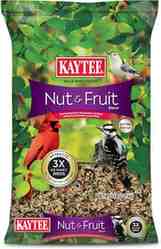
Kaytee Nut & Fruit Wild Bird Seed, 5 lb
5. Cage Size and Environment
First, make sure your home can easily accommodate the right size. Bigger birds need more room and stronger cages. For instance, macaws require large enclosures with toys, swings, and climbing options.
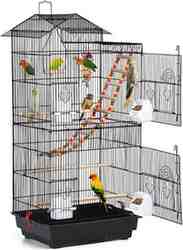
Yaheetech 39-inch Roof Top Large Flight Parrot Bird Cage for Small Quaker Parrot Cockatiel Sun Parakeet Green Cheek Conure Budgie Finch Lovebird Canary Pet
Pros and Cons of Having Birds as Pets
Let’s look at the overall benefits and challenges of owning a bird:
Pros
- Affectionate Companions: Birds like parrots and cockatiels form deep emotional bonds.
- Interactive and Fun: Many birds can talk, sing, and play games.
- Low Maintenance (Depending on Species): Budgies and finches don’t require as much attention as larger parrots.
- Color and Beauty: Birds add life, sound, and vibrancy to any home.
- Space-Efficient: Perfect for people who can’t own large pets due to space constraints.
Cons
- Time-Intensive: Birds like cockatoos and African Greys need daily interaction and mental stimulation.
- Noise: Some birds can be excessively loud, which is problematic in quiet neighborhoods.
- Mess: Bird cages require regular cleaning; seed and feathers often scatter.
- Health Concerns: Birds are sensitive to temperature, diet changes, and stress.
Real Customer Experiences: What Bird Owners Say
Many first-time bird owners share their surprise at how emotionally intelligent their birds are. For example, budgie owners on forums like Backyard Chickens note how their birds recognize voices and routines. Cockatiel parents often rave about their pet’s ability to whistle songs and greet them with excitement.
On the flip side, African Grey owners warn that despite their charm, these birds can become unstabe without proper care. Several bird forums also highlight the importance of adopting from reputable breeders or rescues to ensure the health and behavior of the bird.
Where to Get Your Pet Bird
Avoid mass breeders and pet shops that focus on quantity over quality. Look for:
- Certified breeders: They offer hand-raised birds that are socialized.
- Rescue organizations: Many parrots mismatch in care or expectations.
- Local aviaries: These often allow you to interact with the bird before purchase.
Which Bird Is Right for You?
Choosing a pet bird is about quality care, compatibility, and commitment. Instead of going by what’s trending or available in bulk, take the time to research and evaluate your lifestyle.
- If you’re a first-time owner, budgies or cockatiels are excellent starter birds.
- Looking for a long-term companion? Consider an African Grey or Amazon parrot, but only if you’re ready for the time investment.
- Want something low-maintenance and visually appealing? Canaries or finches might be your best bet.
Remember, birds are living beings with emotions and needs. Make your decision based not on impulse but on informed, compassionate understanding.
Natural Recommendation: Bird Essentials
To get started with the right supplies, check out these essential bird care products:
- Top-rated Bird Cages
- Best Bird Food for Budgies and Parrots
- Interactive Bird Toys
By choosing the right bird with quality care in mind, you’ll not only bring joy to your own life but provide a happy, healthy home for your feathered companion. READ MORE