
Choosing high quality wild bird seed from a large marketplace like Amazon can be quite challenging. Not all seeds are suitable for birds, and feeding them the wrong kind can harm their health, which is something we all want to avoid.
When birds receive nutritious and delicious food, they tend to become more accustomed to their surroundings. However, selecting the right, high-quality, and nutritious food requires expertise.
By choosing high-quality wild bird seeds, you can attract a diverse range of birds while keeping them healthy and active, and close to the surroundings.
In this comprehensive product review, we have analyzed the benefits and drawbacks, customer experiences, and suitability of premium bird seed blends. This information will absolutely help you make an effective decision for your bird feeder.
⭐ What Makes Wild Bird Seed “High Quality”?
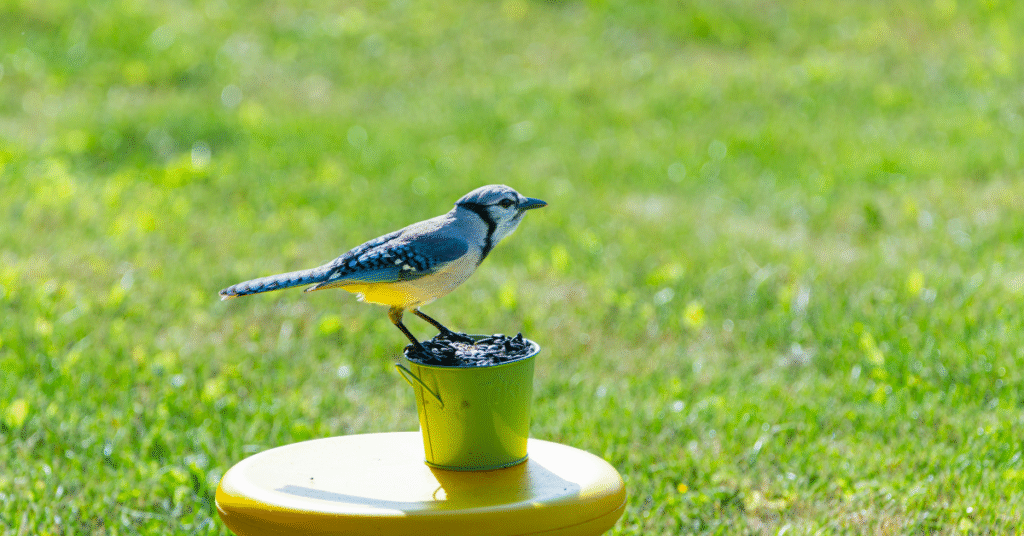
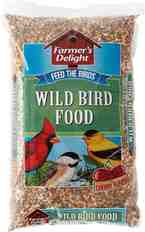
High-quality wild bird seed is typically free from fillers, includes a rich variety of nutrient-dense seeds, and caters to the dietary preferences of popular backyard birds such as cardinals, finches, blue jays, chickadees, and woodpeckers. A good mix usually contains:
- Black oil sunflower seeds
- Safflower seeds
- Millet (white or red)
- Cracked corn
- Nyjer (thistle)
- Peanuts (shelled or pieces)
These ingredients provide essential fats, proteins, and carbohydrates, ensuring birds have the energy they need year-round, especially during winter and breeding seasons.
View top-rated wild bird seed mixes on Amazon
Pros of High-Quality Wild Bird Seed
1. Attracts a Greater Variety of Birds
Premium wild bird seed blends are specifically formulated to appeal to a wide array of birds. For instance, mixes high in black oil sunflower seed are especially attractive to cardinals, grosbeaks, chickadees, and nuthatches. This means more feathered visitors to your backyard, providing a lively and rewarding bird-watching experience.
“I’ve seen over 15 species in my yard since I switched to this seed blend!” – Verified Amazon buyer
2. No Fillers = Less Waste
Cheaper seed blends often contain filler ingredients like red millet, wheat, and milo, which are usually ignored by many birds. These fillers contribute to wasted food, dirty feeders, and even rodent attraction.
In contrast, high-end bird seed brands avoid these low-nutrient fillers. Less waste not only means more efficient feeding but also cleaner feeding stations and fewer pest problems.
3. Better Bird Health
Feeding birds a nutritious, balanced diet helps them survive tough seasons, build strength, and reproduce successfully. Seeds rich in oils (like sunflower and safflower) provide high energy levels, while cracked corn and peanuts offer protein and essential nutrients.
If you care about supporting your local ecosystem, this is a direct and rewarding way to help birds thrive.
4. Freshness and Clean Packaging
High-quality brands take care to package their seeds well, ensuring freshness and minimizing dust, mold, or insect infestation. This is especially important for maintaining bird health and avoiding disease.
“The packaging was top-notch, and the seed smelled fresh. Even my picky finches were happy.” – Customer review
5. Eco-Friendly and Ethically Sourced Options
Bird Feeders for Outdoors Hanging Bird Feeder Wild Birds Seed, Black
Several premium bird seed brands now offer non-GMO, pesticide-free, and USA-grown options. This appeals to environmentally conscious buyers and aligns with sustainable backyard feeding practices.
Cons of High-Quality Wild Bird Seed
1. Higher Price Point
The most obvious downside is cost. A 20-lb bag of premium bird seed can cost 30–50% more than generic seed. However, since there’s less waste and more nutrition per pound, the long-term value is often worth the initial investment.
2. Shorter Shelf Life Without Preservatives
Because premium blends are free from additives and preservatives, they may spoil faster—especially in hot or humid climates. Proper storage in an airtight, dry container is essential to avoid mold and bugs.
3. Not All Mixes Are Region-Specific
While most high-quality mixes attract common birds across North America, certain seeds are more suited to specific regions. For instance, Nyjer seed is best for goldfinches and is more effective in northern states. Buyers should consider regional preferences or look for locally tailored blends.
4. Needs Appropriate Feeders
Some premium seeds (like Nyjer or peanuts) require special feeders to prevent spillage and deter squirrels. Without the right feeder, you might end up wasting more seed or attracting pests.
Top Recommended Wild Bird Seed Brands
1. Wagner’s 62059 Greatest Variety Wild Bird Food
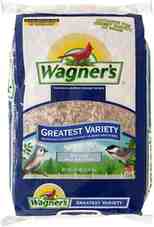
- Contains over 11 types of seeds and grains
- Appeals to ground feeders and perch feeders alike
- No fillers, suitable for year-round feeding
2. Kaytee Wild Bird Food Waste Free Blend
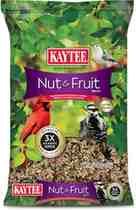
- 100% edible blend with no shells
- Enriched with vitamins and minerals
- Ideal for reducing mess under feeders
3. Lyric Fine Tunes No Waste Wild Bird Mix
ZuPreem NutBlend Bird Food, Bird Feed for Cockatiel, Lovebird, Quaker, Small Conure, Lorikeet
- All seeds are hulled—zero waste
- Preferred by songbirds and woodpeckers
- Great for patios and decks
Who Should Buy High-Quality Wild Bird Seed?
- Bird enthusiasts who enjoy watching a variety of species year-round
- Families and children who want to learn about birds and nature
- Gardeners who use birds for natural insect control
- Eco-conscious consumers who prefer natural and sustainable products
- People living in urban areas where birds need extra nutritional support
If you’re investing in a bird feeder, it makes sense to also invest in seed that will actually benefit and attract the birds you’re hoping to see.
Tips for Feeding Successfully
- Clean your feeders weekly to prevent disease
- Use squirrel-proof feeders or baffles to protect your investment
- Store seed in airtight containers
- Provide water—especially in hot months
- Offer seed year-round, especially in winter and during nesting season
For more advice, visit our Ultimate Guide to Backyard Bird Feeding
Final Verdict
High-quality wild bird seed may cost more upfront, but it offers better nutrition, greater bird diversity, and less waste—making it a smart and rewarding choice for bird lovers. Whether you’re a casual backyard observer or a devoted birdwatcher, the right seed can dramatically enhance your bird feeding experience.
Pros:
✔ Attracts diverse species
✔ Nutritionally rich
✔ Little to no waste
✔ Clean, fresh, and safe
✔ Eco-friendly options available
Cons:
✘ Higher cost
✘ May require special feeders
✘ Shorter shelf life
For bird lovers who want the best for their backyard visitors, investing in high-quality bird seed is a decision both birds and humans will appreciate.
Shop premium wild bird seed now and enjoy the songs and colors of nature right outside your window. READ MORE